
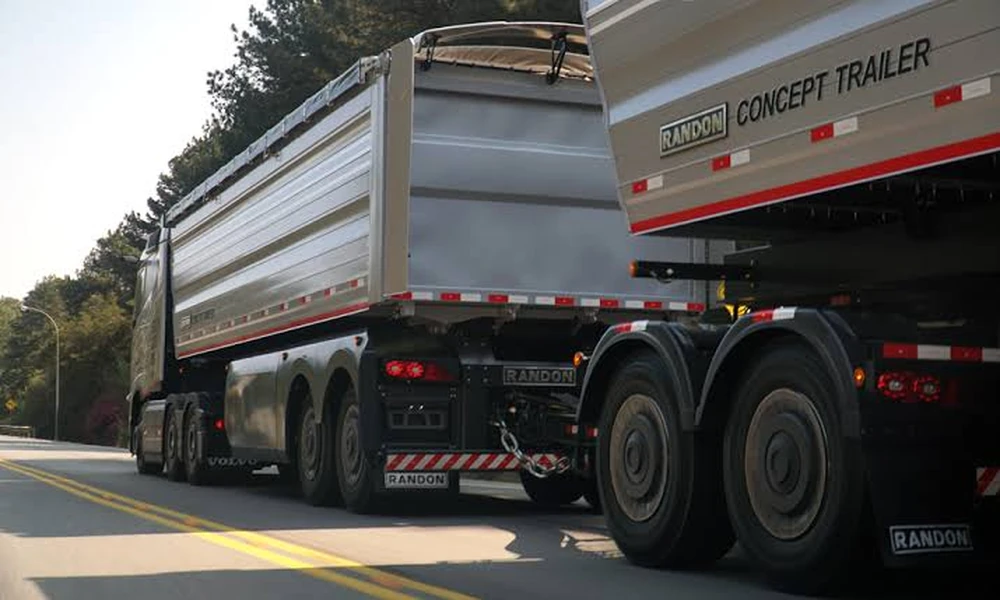
Mobile operations trailers offer teams mobility with technology and an environment to include the space necessary for operations support. Building an effective mobile unit, however, isn’t as easy as just fitting a trailer with equipment. The design must facilitate communications and collaboration, mobility, and performance even in various field situations.
To bridge the gap between initial planning and successful deployment, key structural and technical considerations must guide your choices from the ground up. Utilizing a Mobile Operations Trailers Smarter Field Guide framework helps teams prioritize essential features, streamline tactical workflows, and ensure that every piece of equipment serves a direct operational purpose. By taking a strategic approach early in the planning process, organizations can transform a basic mobile unit into a high-performing command hub engineered for seamless ground support.
State the main goal, or their purpose.
Be sure to define the uses for the trailer before starting the design process. Requirements for a unit that is used for emergency coordination could vary from those of a unit used for event management, utility operations, or construction. The basic purpose dictates the equipment, workspace, storage and communication necessary.
Draw up a careful plan of the interior layout.
A well-organised interior design can boost efficiency and minimise wasted movement. Work areas, displays, communication equipment, storage areas and meeting spaces should be set up based on how teams will be working in the trailer. Having key equipment readily available may enable quicker decision-making.
Prioritise Reliable Connectivity
There may be a need for multiple locations to be able to communicate with each other and access critical information remotely. The trailer could require cellular communication, radio systems, satellite communication or any other network solutions, depending on the need. Flexibility in communication can be beneficial for coordination in various settings.
Manufactured with reliable power.
Electronic equipment is a critical component of mobile operations. The trailer should be powerful enough to accommodate the computers, displays, communications and necessary technology. Redundancy, also known as backup power, can also maintain operations in the event of a power outage or a place without access to electrical power.
Include Effective Climate Control
The personnel could work inside the trailer for a prolonged time, and sensitive equipment may need a stable environment. The correct installation of insulation, fresh air, heat and air conditioning can provide a comfortable and functional environment for the workspace in varying weather conditions.
Ensure technology is accessible and user-friendly
Technology is of no use unless personnel can access it and use it efficiently. Systems should be well structured, controls easy to understand and appropriate displays should be provided. It may also be possible to make upgrades to the trailer with planning to ensure that operational demands are met.
Think about how much time it will take to move around and set up.
The trailer has to be readily moved and set up. All of the above should be taken into account, including weight, towing methods, stabilisation, access and setup procedures. A design that enables teams to get to work right away can offer a lot of functional advantages.
Design with Durability and Security in mind.
Mobile units can be subjected to harsh environments and need to be built tough and withstand equipment. The loads and the technology can be protected using weather-resistant material, controlled access and protective systems.
Conclusion:
Finally, for smarter field coordination, a mobile operations trailer needs to be carefully designed, based on a clear understanding of the operational requirements. Organisations can develop mobile workspaces that are reliable and facilitate improved communication and more efficient field productivity by designing and equipping the layout, connectivity, power, climate control, technology integration, mobility and durability.