
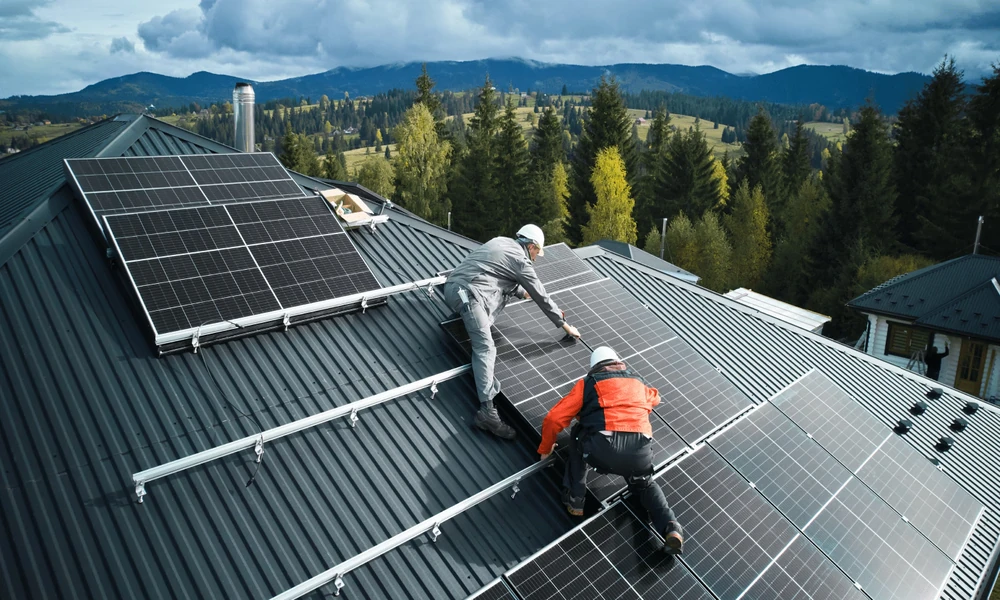
Transitioning to renewable energy is one of the smartest and most lucrative investments modern homeowners can make today. With traditional electricity bills constantly on the rise due to fluctuating global energy markets, harnessing the immense power of the sun provides a sustainable, long-term solution that significantly reduces your monthly expenses. However, making the switch to clean energy requires careful planning, strategic foresight, and a solid understanding of your home’s unique infrastructure. It is not just about buying the hardware off the shelf; it is about ensuring your property is perfectly equipped for maximum operational efficiency.
Before you decide to transform your home, understanding the specific physical requirements of a modern energy system is absolutely essential to avoid costly structural mistakes and installation delays. By upgrading to an efficient solar panel roof system (known in Thai as “หลังคาโซลาร์เซลล์“), you drastically decrease your carbon footprint while simultaneously increasing your property’s market value. Let’s explore the essential factors you must consider and how to accurately calculate your needs.
5 Essential Things to Know Before Installation
1. Assess Your Current Structural Integrity
Before beginning any installation, evaluating the physical condition and maximum load-bearing capacity of your home is a critical first step. Solar equipment adds significant permanent weight to your house. If your structure is old, deteriorating, or severely damaged, it may require extensive architectural reinforcements before it can safely support a heavy, modern solar panel roof. Hiring a certified structural engineer to conduct a thorough physical inspection ensures that your property can handle the additional load without risking devastating collapses or expensive water leaks in the future, ultimately protecting your long-term real estate investment.
2. Understand Your Local Climate and Sun Exposure
The overall electrical efficiency of your system depends heavily on your specific geographic location and daily sun exposure. Obstructions like tall neighborhood trees, nearby commercial buildings, or heavy seasonal cloud cover will drastically reduce your overall energy production. It is highly vital to analyze the shifting shading patterns on your property throughout the entire year. Optimizing the exact angle and orientation of your solar panel roof ensures that it captures the maximum amount of direct sunlight possible, guaranteeing high output during peak daylight hours and maximizing your financial returns over the system’s lifespan.
3. Identify the Right Materials and Mounting Systems
Not all building materials are created equal, and your existing structure strictly dictates the type of mounting hardware required. Whether you have corrugated metal, flat concrete tiles, or standard asphalt shingles, each material demands a highly specific installation technique. Drilling into the wrong surface without proper industrial sealing can cause severe interior water damage. Designing a customized solar panel roof with the correct waterproof mounting brackets ensures absolute weatherproofing and secures the modules firmly against high-speed winds, extending the lifespan of your renewable energy system and preventing costly interior repairs.
4. Navigate Local Regulations and Permits
Installing residential renewable energy systems always involves strict legal compliance and municipal oversight. Homeowners must obtain the necessary building permits and official approvals from local municipalities and homeowners’ associations before starting any physical construction. Failing to secure these critical legal documents can lead to hefty fines or forced equipment removals. A legally compliant solar panel roof must meet all regional electrical safety codes and local grid connection standards. Working closely with experienced installation professionals helps streamline this complicated bureaucratic process without frustrating legal delays or unexpected administrative roadblocks.
5. Plan for Long-Term Maintenance and Cleaning
While solar systems are generally low-maintenance, they are not entirely maintenance-free. Accumulated dust, bird droppings, and seasonal debris can block sunlight and significantly lower your system’s daily energy generation capacity over time. Establishing a routine cleaning schedule is essential to keep your panels operating at peak efficiency. When designing your solar panel roof, you should also consider safe physical access for future maintenance crews. Ensuring that technicians can easily reach the panels without damaging the surrounding shingles will save you significant time and money on upkeep throughout the decades of operation.
Basic Calculation for Your Energy Needs
To accurately determine your ideal system size, you must thoroughly understand your household’s historical energy consumption. Divide your average monthly electricity consumption in kilowatt-hours (kWh) by the average daily peak sun hours in your geographic area, and then multiply that figure by thirty days.
For example, if your household consumes 900 kWh per month and your region receives 5 peak sun hours daily, you will need a 6-kilowatt system (900 divided by 150). Sizing your solar panel roof correctly is a vital mathematical step. It prevents you from overspending on unnecessary hardware and expensive battery capacity while ensuring you consistently produce enough electrical power to completely offset your expensive monthly utility bills.
In conclusion, upgrading your modern home with clean, renewable energy is a major financial decision that requires thorough preparation and precise engineering execution. By accurately assessing your structural integrity, thoroughly understanding local sun exposure, choosing the correct weatherproof mounting materials, strictly following all municipal regulations, planning for long-term maintenance, and properly calculating your exact household energy needs, you guarantee a smooth and highly profitable transition. A well-planned residential installation not only slashes your monthly utility bills but also provides your family with decades of reliable, eco-friendly electrical power.
When you are completely ready to make this transformative environmental investment, partnering with dedicated industry experts is absolutely crucial for success. Ewave stands out as a premier leading provider of cutting-edge renewable energy solutions for modern homes. With a deep, uncompromising commitment to high-quality engineering and exceptional customer service, Ewave ensures your system is expertly designed, safely installed, and meticulously maintained to the absolute highest possible industry standards. Trust Ewave with your household energy independence today.