
In pharmaceutical manufacturing, contamination is a persistent risk that can affect product quality, compliance, and patient safety. Because it can arise at multiple points in production, it is essential to understand its root causes and implement controls that prevent issues before they occur.
A primary driver of contamination is inadequate microbiological control. Cleanrooms and laboratory environments are designed to manage sensitive processes involving chemical and biological materials. Even minor deviations from established procedures can introduce microorganisms that compromise product integrity. Maintaining strict environmental control is therefore a foundational requirement in both sterile and non sterile operations.
Data from regulatory bodies, including FDA inspections and recall records, consistently point to gaps in microbiological practices as a common cause of contamination events. These findings highlight the need for robust environmental monitoring, validated cleaning procedures, and disciplined adherence to protocols across all stages of production.
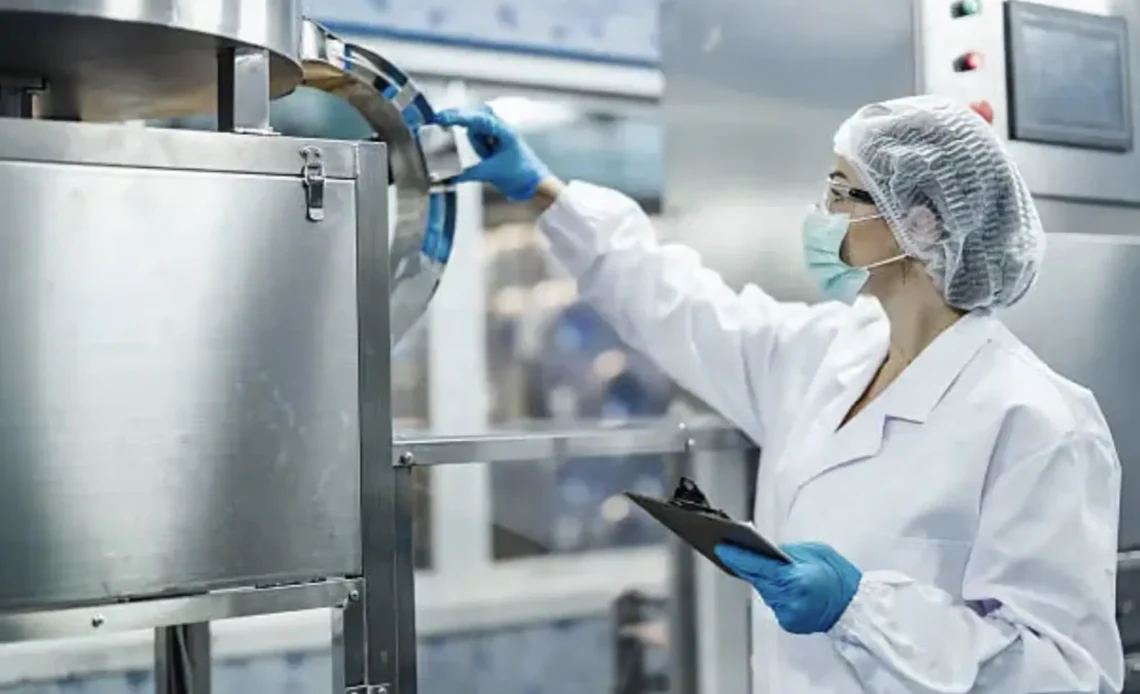
There are multiple pathways through which contaminants can enter a facility. Poor facility design, aging or improperly maintained equipment, mishandling of raw materials, inadequate air handling systems, and lapses in personnel practices all contribute to risk. Even routine behaviors, such as failing to follow gowning procedures or introducing food into controlled environments, can compromise a clean space.
When contamination is identified or suspected, a prompt and methodical response is essential. This includes conducting a detailed investigation supported by analytical testing to determine the origin and extent of the issue. Engaging certified pharmaceutical testing laboratories ensures results meet regulatory expectations. Once the source is confirmed, affected areas and equipment must be thoroughly cleaned, disinfected, and validated before production resumes.
Sustainable prevention requires more than corrective action. It involves continuous assessment and refinement of processes. After an incident, organizations should review and strengthen procedures, which may include upgrading equipment, improving airflow and filtration, enhancing material handling protocols, and reinforcing training on hygiene and cleanroom conduct. Regular audits and proactive improvements help maintain a high level of control.
By focusing on prevention, consistency, and continuous improvement, pharmaceutical manufacturers can reduce contamination risks, protect product quality, and maintain compliance while ensuring the safety of the end user. For more on this, check out the accompanying resource from BA Sciences, a provider of extensive expertise in the testing of USP 1663 and 1664.
