
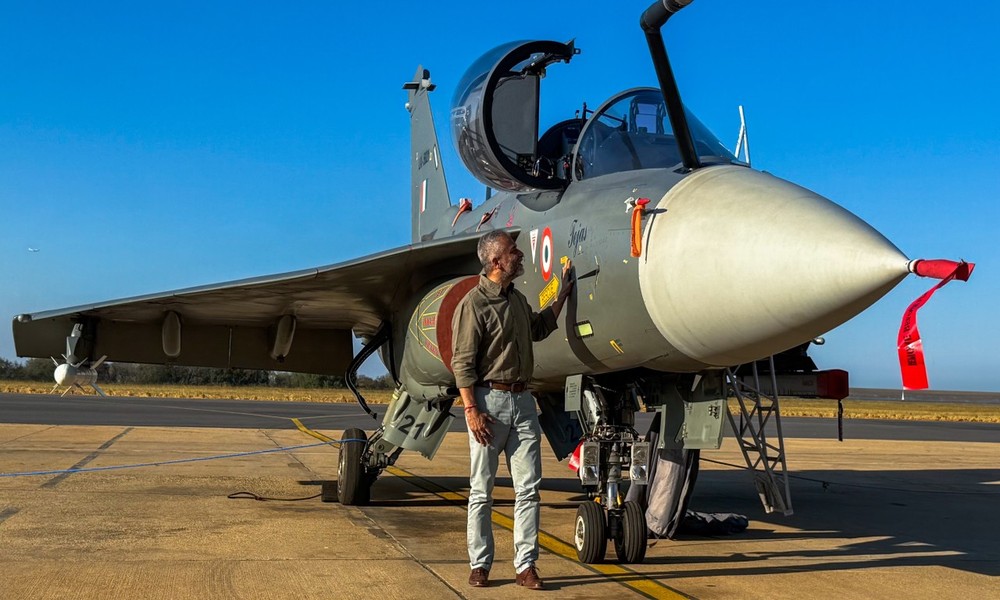
In aerospace and defense environments, failure carries consequences far greater than damaged hardware. It can result in mission loss, compromised security, and serious risk to human life. Systems deployed in these settings are exposed to relentless stress, including extreme heat, sudden shock, severe pressure changes, corrosive conditions, and constant vibration. Unlike commercial applications, these forces do not appear one at a time. They occur simultaneously, placing extraordinary demands on every component. Engineering for aerospace and defense extremes requires solutions that go beyond basic survivability and deliver consistent precision and reliability under continuous strain.
Designing at the Limits of Performance
Mission-critical systems do not begin with material selection. They begin with a clear understanding of purpose and consequence. Whether engineers are developing technology for hypersonic flight in the upper atmosphere or equipment designed to operate deep beneath the ocean’s surface, the first consideration is always the same: what happens if the system fails? That answer shapes every design decision, from structural reinforcement to long-term durability and fatigue resistance.
This approach extends far beyond strengthening individual components. Engineers must anticipate how temperature changes affect expansion and tolerances, how extreme acceleration impacts actuator control systems, how corrosive environments degrade exposed surfaces, and how electromagnetic interference disrupts data transmission. Addressing these challenges requires advanced simulation, multiphysics testing, and close coordination across subsystems. Sealing solutions must remain effective during both pressure fluctuations and thermal spikes. Connectors must maintain integrity during intense vibration while protecting signal quality. Actuation systems must perform accurately from storage through peak operational conditions.
Sustained performance also depends on anticipating cumulative stress. Over time, overlapping forces compound wear and increase the likelihood of failure if not addressed early in the design process. Engineers must account for lifecycle fatigue, upgrade flexibility, and the combined impact of multiple stressors acting together. In this environment, success is defined not only by strength, but by precision, repeatability, and controlled response under pressure.
Precision Engineering Without Excess
High performance in extreme environments does not come from overbuilding. Aerospace and defense platforms operate within strict constraints related to weight, space, and power. Compact, efficient design is just as critical as rugged construction. Components must deliver faster response times, tighter tolerances, and dependable performance while operating under sustained stress.
This is where aerospace- and defense-qualified systems set themselves apart. They are not adaptations of commercial products. They are purpose-built, rigorously tested, and refined to meet mission-specific demands. Materials are selected for long-term stability as well as strength. Structural designs are optimized to reduce vibration, manage radiation exposure, and maintain alignment through repeated launches or deployments.
Equally important is readiness. These systems are engineered for minimal maintenance, streamlined integration, and dependable availability across evolving mission requirements. In environments where failure is not an option, reliability is not an added feature. It is the foundation of every design decision.
